
When people think of pests, we often automatically envision pesky flies, blood-sucking mosquitoes and stinging bees or the spiders and roaches that people want to keep outside. But if you have a wood fence around your yard there’s a whole other group of pests to worry about that aren’t a concern with a vinyl fence, chain link fencing and metal fences.

There’s a small set of insects that can do a huge amount of damage to wood fences, and each one causes harm in its own unique way. So which insects do homeowners need to watch out for? Here’s a rundown of the pests that plague wood fences, the damage they can cause and the best prevention methods to protect your fence.
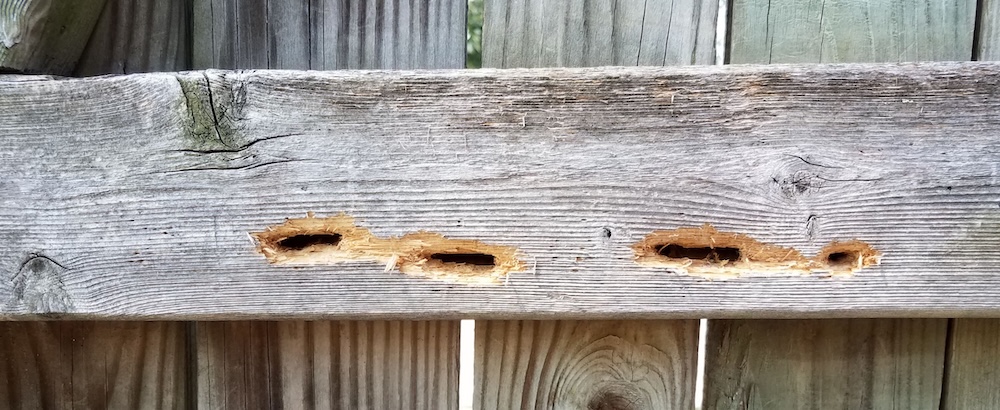
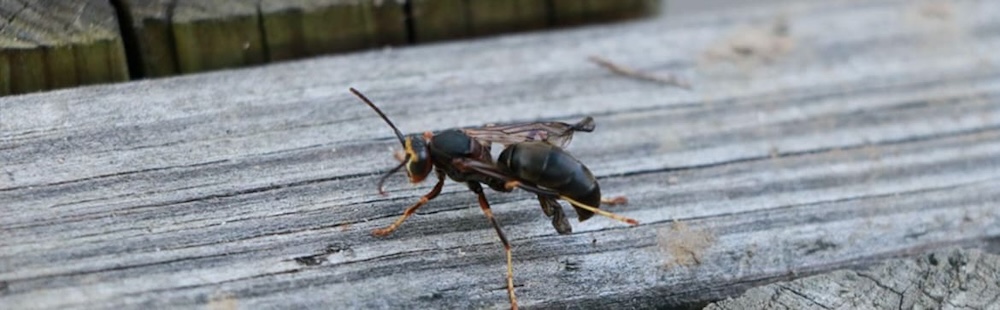
Pest in fence

Why Peeling and Fading Paint is a Common Fence Problem

Many homeowners know firsthand the dramatic difference a few coats of paint can make from the rooms inside to the fence line. But unlike the interior and even the exterior of the home, your fence isn’t protected from the elements. It’s out in the open being battered by UV exposure, rain and strong winds.

Even the best paints that are made for fencing won’t be able to hold up to weather related damage after enough time. It’s recommended that a wood fence be repainted every 2-3 years for the best results. In ideal conditions, you may not need to repaint for 5+ years.

A well maintained fence will add to the appearance, curb appeal and perceived value of your home. So don’t let peeling and fading fence paint detract from the rest of the property.

Insects and Wood Fencing: Common Problems Caused by Pests

Insect damage is one of the common fence problems that our customers deal with in Central Texas. Even a brand new fence installation can suffer damage if one of the insects below decides to move into your yard.

Termites: The Most Dreaded Pest

  • How Termites Do Damage:
    Unlike other insects that simply use wood fencing for a place to live, termites actually eat the wood. They consume the cellulose content as well as tunneling through wood fence posts, rails and pickets. There are drywood termites and subterranean termites. The drywood termites get into the wood through cracks and crevices while subterranean termites burrow into wood from below ground.
  • Signs of Termite Activity:
    You may not notice a termite infestation right away, especially if subterranean termites are causing the problem. But things you may notice once termites are present include:

    • Discarded wings and frass
    • Mud tubes
    • Hollow-sounding wood
    • Boards that are sagging or collapsing
  • Termite Prevention Methods:
    • Always use pressure-treated lumber or cedar fencing materials when installing or replacing a fence.
    • Ensure good drainage that keeps fence posts and boards dry.
    • Remove dead trees, stumps and wood debris from the yard.
    • Treat the wood fencing and surrounding soil with borate-based preservatives or termiticides.
    • Keep an eye on your fencing, looking for mud tubes, wings and the termites themselves.

Carpenter Ants: Pests That Break Rather Than Building Fences

  • How Carpenter Ants Do Damage:
    Carpenter ants get their name because they use wood to build their nests. The problem is they do it by boring into wood and creating holes. They’ll hollow out the wood,compromising the structural integrity of the fence. Carpenter ants target moist, decaying and damaged wood that’s easy to tunnel into.
  • Signs of Carpenter Ant Activity:
    The most obvious signs of carpenter any activity is sawdust and wood shavings around entry holes. You’ll also see the small holes in the wood and ant activity around them.
  • Carpenter Ant Prevention Methods:
    • Replace rotting sections of the fence immediately.
    • Fix drainage issues that can prevent wood from drying out.
    • Ensure there’s no wood-to-ground contact.
    • Keep vegetation trimmed back from the fencing.
    • Seal cracks and holes in the fence.
    • Treat the fence and surrounding areas with insecticidal dust or sprays, if needed.

Carpenter Bees: Instead of Pollinating They’re Boring

  • How Carpenter Bees Do Damage:
    Like the similarly named ants, carpenter bees bore into wood to create a living space. It’s the female carpenter bees that drill round holes about 3/8″ in diameter into wood creating tunnel galleries for laying eggs. The holes not only weaken the fence, they also allow moisture to get inside, which can lead to other issues like fungal intrusion and mildew growth.
  • Signs of Carpenter Bee Activity:
    Carpenter bees make larger holes in wood, compared to carpenter ants. You’ll also notice yellow sawdust at the entry points along with bees buzzing nearby.
  • Carpenter Bee Prevention Methods:
    • Seal or paint all exposed wood surfaces to protect against moisture.
    • Use wood putty to fill existing holes and cracks.
    • Inject insecticide into the active galleries then seal the holes.
Insects on fence

Powderpost Beetles: Nicknamed Wood-Boring Beetles For a Reason

  • How Powderpost Beetles Do Damage:
    With powderpost beetles it isn’t the adults that do the real damage but their offspring. Adult beetles lay their eggs in wood crevices then the larvae tunnel through the wood as they grow. That growth period could last for years. During that time the larvae create tiny holes throughout the wood. and pushing out fine, powdery sawdust (“frass”). They favor untreated, moist hardwoods and sometimes softwoods.
  • Signs of Powderpost Beetle Activity:
    Like other wood burrowing insects, you’ll notice small exit holes that are between 1/32–1/16″ in diameter. Around the holes there will be powdery sawdust. If the infestation is extensive the wood surface may look pitted.
  • Powderpost Beetle Prevention Methods:
    • Wood fencing should be pressure-treated and sealed.
    • Replace parts of the fence that are old and weakened.
    • Stain or paint all wood surfaces.
    • Seal up cracks and crevices that could be used as entry points.
    • Replace infested wood and treat remaining wood with insecticides that are specifically for beetles.

Horntail Wasps: They Do More Damage Than Stinging

  • How Wasps Do Damage:
    Just like the pesky powderpost beetles, female horntail wasps lay their eggs in the wood. Once the eggs hatch the larvae tunnel around inside. Horntail wasps are especially attracted to new or unseasoned wood. They can do real damage, but they’re generally less destructive than termites or beetles.
  • Signs of Wasp Activity:
    When horntail wasps are present you’ll see holes in the wood, sawdust around the holes and wasps flying around.
  • Wasp Prevention Methods:
    • Use treated wood that’s stained or painted.
    • Seal up cracks, holes and crevices to limit entry points.
    • Treat active galleries with a targeted wasp spray if necessary.

General Prevention and Pest Removal Tips For All Insects

If insects are left unchecked they can do serious damage to a wood fence. Given enough time they can even weaken posts to the point you have a leaning fence that could topple over. Before it gets to that point, there are steps you can take to get rid of common pests and take back control of your property.

  • Use quality treated wood: Only use pressure-treated or naturally insect-resistant species like cedar or redwood for fencing.
  • Seal and paint: Apply high-quality exterior sealants or paints to all wood surfaces.
  • Control moisture: Ensure good drainage and minimize contact with vegetation to keep the fence dry.
  • Cut back vegetation: Keep bushes and plants trimmed so insects don’t have easy access and their activity isn’t hidden.
  • Remove wood debris around the yard: Don’t store firewood, lumber or wood mulch near the fence.
  • Regular inspection: Check for early signs of damage, such as holes, frass and mud tubes.
  • Install a cement barrier: A concrete base around wood fence posts prevents insect entry from the ground.
  • Consider professional pest control services: If you have an infestation or want to prevent pest problems all together, pest control experts are often needed.

By keeping an eye out for insect activity and using the prevention strategies above, you can prevent pests from impacting the structural integrity of your wood fence and extend its life. It’s also important to repair fencing damage quickly so that the fence is less inviting for destructive insects.

If you live in Central Texas and need help maintaining or repairing your fence, give Purple Fencing Company a call, text or email.

SIGN UP FOR OUR NEWSLETTER

Get notified when we have seasonal discounts, special offers and savings!