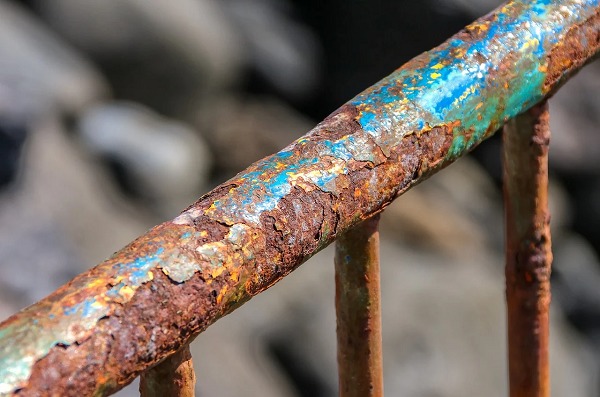
Rust development is caused by two things: moisture buildup and oxygen. Without those two things rust won’t form. But how they come to be an issue is the real question for property owners.

If you have any type of metal fencing, be it wrought iron or chain link, rust prevention is extremely important for the structural integrity of your fencing. It’s also critical if you have a wood fence with metal fence posts, rails, hardware and gates. In those cases, you can simultaneously take steps to prevent rust and prevent wood rot all at once.

Rust in fencing

What Causes Rust and Corrosion on Metal Fences

The formation of rust is caused by a combination of chemical and environmental factors. For that reason, metal fences may be more susceptible to rust and corrosion in some areas and under certain conditions.

Here is a look at several factors that play a key role in rust formation on metal fences.

Exposure to Water and Oxygen

Rust forms on iron or steel fencing through a chemical reaction called oxidation. This reaction is only possible if the metal is exposed to both water and oxygen over time. The oxidation process causes reddish-brown rust to form on the surface of the metal. Since metal fencing is constantly exposed to the elements, the possibility of rust developing is high.

Oxygen is everywhere, but some areas are considered corrosive environments because of the outdoor moisture levels and weather conditions. Regions with high humidity levels or a lot of rain fall into this category. When the humidity is high water vapor condenses on metal surfaces. Regions with frequent rain also see faster rust formation due to excessive moisture.

Chipped Paint or Damaged Protective Layer

Metal fencing is painted with special rust inhibiting paint or protective coatings are applied to prevent the oxidation process. But rust inhibitors aren’t bullet-proof. When the paint or powder coating on a fence chips away, bare metal is exposed, and rust formation can occur in those areas.

Build Up of Dirt, Debris and Plant Growth

Accumulated dirt, leaves and other organic matter isn’t good for metal or wooden fences. It can trap moisture against the fence, creating an ideal environment for corrosion to spread. Because of the build up you might not notice the rust until it’s extensive.

Salts and Chemicals

Salt in coastal air, road salt or industrial pollutants are additional environmental factors to consider. Any of these can speed up the corrosion process, especially where two different metals touch. When two metals are present galvanic corrosion is possible.

Fencing That Isn’t Properly Maintained

A well-maintained fence is less likely to have rust spots simply because the paint or protective coating will be in better condition. Infrequent inspections, lack of cleaning and delayed repairs can increase the likelihood of rust forming and the development of deeper corrosion.

Solving Problems Related to Rust and Corrosion

Rust doesn’t just affect the appearance of a metal fence. If it’s left unchecked, rust and corrosion can cause structural damage that does more harm. Rust issues can be serious, but there are effective ways to repair and prevent these problems.

Step-by-Step Solution For Resolving Rust Issues

Step 1 – Inspect the Entire Fence
Inspect the entire fence looking for rust spots and assessing the extent of the problem. Note where the problems are and if it’s surface level or goes deeper.

Step 2 – Remove Rust That’s on the Surface
You can use a wire brush, steel wool or coarse sandpaper to scrub away loose rust that’s sitting on the surface of the fence. If there are larger areas of rust you may want to use a powered wire brush to make removal quicker and easier. Before you begin, put on gloves, protective eye wear and a mask so you aren’t exposed to the rust.

Step 3 – Clean the Fence Surface
After the rust has been removed, wipe the fencing down with a damp cloth to remove dust and debris. For extra cleaning, use mild soapy water and rinse thoroughly. Let the fence thoroughly dry before moving on to the next step.

Step 4 – Use a Rust Converter on Areas With Deep Corrosion
If there are still rust spots that are hard to remove, you’ll need to take an additional step. Once the fencing is completely clean, use a rust converter that can chemically turn rust into a stable surface that can be painted or coated.

Step 5 – Prime Metal Materials With Rust-Inhibiting Primer
Once the surface is fully prepped, apply a rust-inhibiting primer that’s designed for metal. You may need to use multiple coats for added protection. Let it dry completely before moving on.

Step 6 – Repaint or Recoat
Apply a rust-resistant, exterior metal paint or coating to the metal materials to give it a protective barrier against the air and moisture.

Is the rust damage extensive? For severe, widespread or structural rust, it’s best to contact a fence repair specialist to address the problem. Rust removal is a project that can actually make matters worse if it isn’t done correctly.

Rust on fence

Helping Your Fence Resist Rust With Preventive Measures and Proper Maintenance

Even a new fence can become riddled with rust if you don’t protect it properly. Once you’ve corrected the rust issues, keep your fence looking its best with:

  • Regular Cleaning: A mixture of lemon juice and white vinegar can help neutralize surface rust that starts to form. Apply the solution, let stand for an hour and then rinse thoroughly.
  • Regular Inspections: It’s important to regularly inspect your fence for a number of reasons and assessing rust formation is one of them.
  • Regular Maintenance: Prompt repairs and touch-ups to damaged coating can significantly extend the life of your fence and stop rust before it spreads.
  • Use the Right Metal: If you’re installing a new fence or replacing a fence the materials you choose will significantly influence how much you have to worry about rust. Only consider rust-resistant metals like aluminum, galvanized or stainless steel for better long-term performance. The metal materials should also have a protective coating for added protection.

Your fence line isn’t just a boundary. It’s a multi-functional part of your property that can add value or detract from the exterior. By understanding the causes of rust and following these prevention and repair strategies, you can keep your metal fence safe, functional and aesthetically appealing for years to come.

Need help getting rust off your fence in Central Texas? Then give Purple Fencing Company a call. We’re metal fence specialists who are experienced in repairing, replacing, installing and maintaining a wide variety of metal fencing. 

SIGN UP FOR OUR NEWSLETTER

Get notified when we have seasonal discounts, special offers and savings!