
When you decided to paint your fence surface you might have thought it would have the staying power of the exterior paint on the siding of your home. Unfortunately, that isn’t always the case, especially with wooden fences.
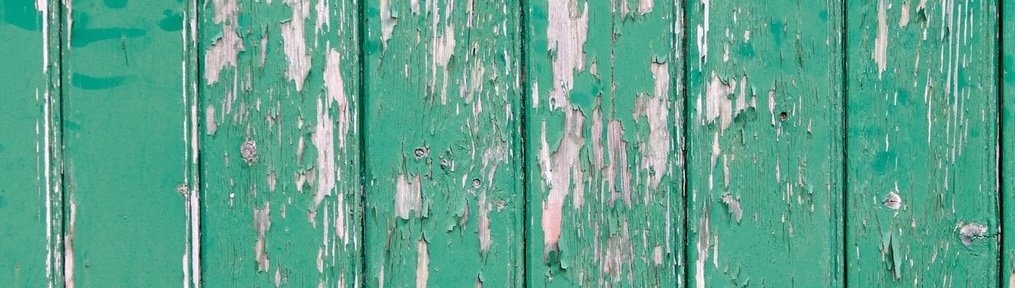
Why Peeling and Fading Paint is a Common Fence Problem
Many homeowners know firsthand the dramatic difference a few coats of paint can make from the rooms inside to the fence line. But unlike the interior and even the exterior of the home, your fence isn’t protected from the elements. It’s out in the open being battered by UV exposure, rain and strong winds.
Even the best paints that are made for fencing won’t be able to hold up to weather related damage after enough time. It’s recommended that a wood fence be repainted every 2-3 years for the best results. In ideal conditions, you may not need to repaint for 5+ years.
A well maintained fence will add to the appearance, curb appeal and perceived value of your home. So don’t let peeling and fading fence paint detract from the rest of the property.
How to Refresh Your Entire Fence – Without or Without Paint
You’ve decided it’s time to address your peeling fence paint – now what? Below we’ve provided information on how to refresh different types of fencing from the caps down to the fence posts to the concrete footings.
Essential Tips For All Fencing
- Assess the fencing first to identify damage. Before you begin refreshing a fence take the time to fully inspect it. Doing an inspection will help you prepare for the project, particularly when you have metal fencing that requires a multi-step process that starts with correcting damage. You may also discover there’s more weather damage than you realized or you have a bigger issue like a leaning fence.
- Plan for repairing before painting. If you find that there are loose posts, spots with rot, broken pickets, etc., repairing fence damage should be done first.
- Plan to paint the entire fence. Even if the paint is peeling or fading in a single section, plan to paint every part of the fence. Matching the original color can be near impossible if the paint has faded.
- Prepare to spend a lot of time on the project. Don’t make the mistake of thinking this is an “easy” DIY project. While peeling paint may be something most homeowners can fix, it is a time-consuming process that could take more than a weekend depending on the length of the fence.
- Always follow the manufacturer’s instructions. No matter what fence surface you’re painting or staining, the manufacturer knows best.
Preparing the Surface is the First Place to Start
Nothing is more important than prepping the surface you plan to paint. If you bypass this step there’s no way to get optimal results. It will also lead to paint that peels and fades faster.
- After inspecting the fence you’ll know where you need to sand and scrape to remove paint that is flaking off. Paint can be removed with a wire brush, scraper or sand paper that’s 100-150 grit.
- If the peeling is extensive or the paint is difficult to remove you may need to use a pressure washer. However, proceed with caution on wood fences. If the wood isn’t in good condition the force of the pressure washer could cause damage.
- Once the peeling paint is gone, it’s time to clean the fence. Cleaning will remove any dirt or grime that has built up over time so that there’s better adhesion. Just know that cleaning adds time to the overall process because the moisture on the fence will need to dry completely before painting. The drying time will be between 24-48 hours.
- If there are holes, cracks or crevices on any wood or metal fence components those will need to be addressed as well. Use putty, compound or wood filler that’s rated for exterior use. The solution will need to dry before being sanded smooth.
- Finally, dig around the fence posts to push the soil back so you can paint all the way down to the ground.
Gather Your Supplies and Start Painting
After you’ve gotten the fence prepped it’s time to get your painting supplies and get to work. Generally speaking, you’ll need many of the same supplies that you’d use on any painting project. Paint brushes and rollers are essential. The exact ones that will work best depend on the type of fence you have. A sprayer could come in handy and speed up the work if the fence is solid.
Even more important is the paint that you choose. It should be:
- Exterior-grade paint
- UV and Fade-resistant
- Appropriate for the fence material
Once you start painting apply thin coats with the grain. Let the first coat dry fully before applying a second coat.
Reminders For Refreshing Wood Fences
- Sand thoroughly
- Use wood primer as needed
- Allow wood to dry fully after washing
- Use an acrylic latex or wood paint
Reminder’s For Refreshing Composite Fences
NOTE: Not all composite fencing can be painted. And the ones that can be painted require special paint that’s specifically for composite material. Trying to paint over composite fencing with a glossy or oily finish is nearly impossible. Instead you may have to replace panels that are damaged or faded.
Reminder’s For Refreshing Metal Fences
- Remove rust as well as peeling paint
- Use a primer that’s made for metal primer
- Choose a rust-inhibiting exterior paint
Need Help Painting a Metal or Wooden Fence?
Following the steps above your fence will stand tall without a bit of peeling or fading. But remember, the process can be time-consuming, and it will need to be repeated. Hiring professionals can be a good investment if you simply don’t have the time to devote to the project.
Do your fence problems go below the surface? When you need more than paint and it’s time for a full replacement, Purple Fencing Company is here to help. We can provide a free fence inspection to determine if repair and maintenance are enough or if you’re better off replacing an existing fence.
Give us a call or contact us online to schedule a free fence inspection.